
EMERGENCY
Pet poisoning or exposure? Call now — every minute counts.
Emergency
Don't wait. If your pet may have eaten something toxic, early treatment is often simpler, more effective, and can save their life. Call our emergency line (479) 903-0060 immediately. You can also reach the Pet Poison Helpline at (855) 764-7661 or visit petpoisonhelpline.com.

Some of the most common pet dangers
Toxic Substances

- Human foods: Chocolate, grapes/raisins, onions/garlic, xylitol (in sugar-free gum), alcohol, caffeine
- Medications: Pain relievers (ibuprofen, acetaminophen), antidepressants, ADHD meds
- Plants: Lilies (highly toxic to cats), poinsettias, aloe vera, philodendron, sago palms
- Cleaning products & chemicals: Bleach, antifreeze (ethylene glycol), rodenticides, insecticides
Physical Hazards

- Choking/swallowing: Small toys, socks, string/yarn (especially dangerous for cats)
- Electrical cords: Can cause shocks or burns
- Sharp objects: Needles, broken glass, scissors
- Heights: Open windows or balconies without screens (especially for cats)
Parasites and Diseases
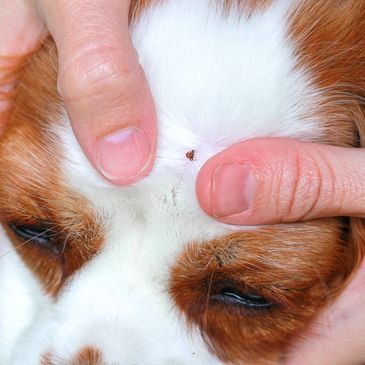
- Fleas, ticks, heartworms: Can lead to anemia, Ehrlichia, Cytaux (Bob Cat Fever), heartworm disease, just to name a few.
- Unvaccinated exposure: Rabies, Parvovirus, Distemper, Leptospirosis, and others.
Seasonal and holiday safety
Hot Weather

| Temperature (°F) | Guidance |
|---|---|
| 70–80° = Moderate | For long exposure: shade and water required |
| 80–90° = High | Risk of heat exhaustion begins; limit outdoor time and walks. |
| 90–103° = Very High | Heatstroke risk; never leave in cars; avoid exercise. |
| 104°+ = Dangerous | Life-threatening in minutes, even in shade or with water. |
Special risks:
- Asphalt temps can exceed 130°F—test with your hand: if it's too hot for you, it's too hot for them.
- Flat-faced (brachycephalic) breeds (like pugs, bulldogs) overheat quickly.
- Dark-coated pets absorb more heat.
Cold Weather

| Temperature (°F) | Guidance |
|---|---|
| 45°+ = Low | Safe for most healthy pets, but short trips for small breeds preferred. |
| 32–45° = Moderate | Small, elderly, or short-haired pets may need a sweater or jacket. |
| 20–31° = High | Risk of hypothermia or frostbite; limit outdoor time, use booties & coats. |
| Below 20° = Dangerous | Bring pets indoors; prolonged exposure can be life-threatening. |
Special risks:
- Paws can get frostbite or chemical burns from de-icers
- Water bowls can freeze
- Shelter must be insulated and windproof if outdoor access is unavoidable
Holidays

Almost all ornamental plants are toxic to some degree. While some have been exaggerated (poinsettia), there is still potential for a toxic reaction from the ingestion of any of these plants.
Decorations can be another danger especially to cats or dogs that are chewers. Shiny tinsel can be irresistible to playful cats and can cause serious intestinal obstruction.
Many of our favorite holiday foods are toxic to our pets. The most common toxicity involves chocolate. Theobromine and caffeine in chocolate are toxic ingredients and a rule "the darker the chocolate, the more toxic it is." Other foods such as raisins, bones, and fatty trimmings from ham or turkey, macadamia nuts, and other rich foods can cause problems.
EMERGENCY
Worried about your pet? Call our emergency line now.
Early treatment makes all the difference. Call our emergency line (479) 903-0060 right now.